Top Tips for Choosing the Right Industrial Gear Motor?

Time:2026-08-28 Author:Sophia
0%

Choosing the right Industrial Gear Motor can be a daunting task. With various options available, making an informed decision is essential. According to Dr. Harold Jensen, a leading expert in motor technology, “A well-chosen industrial gear motor can enhance efficiency and reduce operational costs.” This insight highlights the importance of careful selection.

Understanding your specific needs is crucial. The right Industrial Gear Motor should match the application requirements. Factors like power, torque, and environmental conditions play a significant role. Expertise in these areas can help you avoid costly mistakes. Many companies struggle with improper selections, leading to inefficiencies.

Moreover, quality and reliability are paramount when selecting an Industrial Gear Motor. Brands vary in performance and lifespan. Researching reputable manufacturers can prevent future headaches. Gathering recommendations and experiences from others in the industry is advisable, but be cautious. Not every recommendation will suit your unique situation. Reflect on past experiences with gear motors to inform your choices.
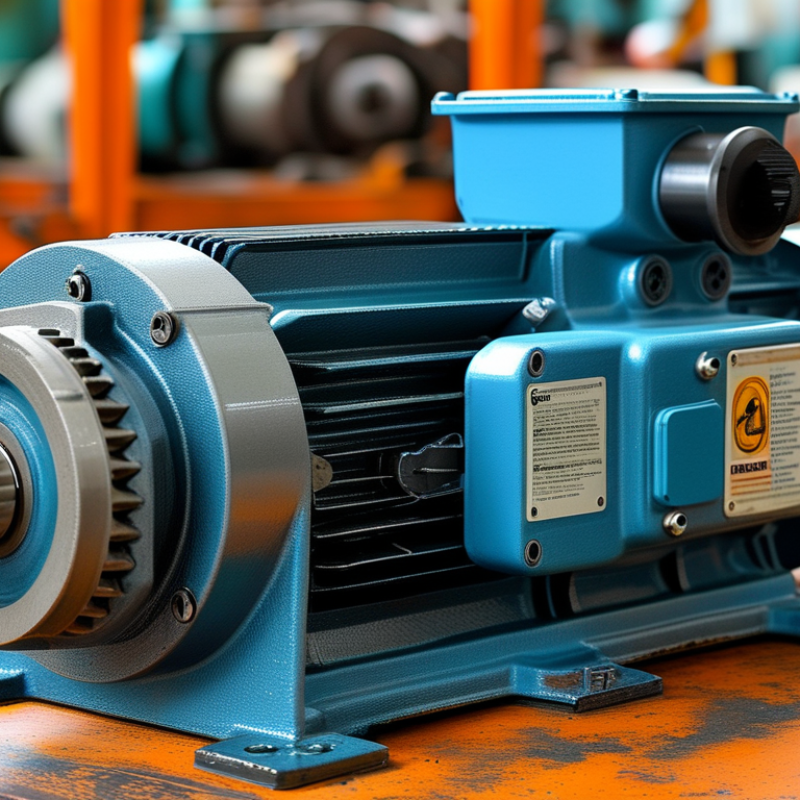
Top Tips for Choosing the Right Industrial Gear Motor?

Understanding Industrial Gear Motors: Basic Concepts and Types

Understanding industrial gear motors starts with knowing their basic concepts. These motors combine a gear system with an electric motor. This design optimizes performance in various applications. Different types of gear motors exist, such as gearhead motors and planetary gear motors. Each type serves distinct purposes in industrial settings.
When selecting an industrial gear motor, consider factors like torque, speed, and efficiency. The torque output is crucial for heavy-duty applications. Speed requirements also vary based on the machinery's needs. A mismatch in speed or torque can lead to inefficiencies. It is important to analyze the specific energy consumption. This analysis can sometimes reveal surprising results.

Pay close attention to the motor's durability. The environment of operation affects performance. Corrosive settings may require specialized materials. Regular maintenance is essential for longevity. Inadequate upkeep can lead to performance issues. Reflect on the complexity of the decision-making process. A thorough evaluation can reveal what truly suits your needs.

Key Factors to Consider When Selecting Gear Motor Specifications

Choosing the right industrial gear motor requires careful consideration of several key specifications. Start with the motor's torque capacity. It determines how much load the motor can handle effectively. A motor that cannot provide sufficient torque may lead to operational inefficiencies and even equipment damage. Think about the application demands. A light-duty application might not need the same specifications as a heavy-duty one.

The speed of the gear motor is another critical factor. Higher speeds can ensure faster operation, but they may compromise torque. It’s crucial to find a balance that meets your specific needs. Consider the environment as well; factors like temperature and humidity can impact motor performance.

Efficiency ratings are often overlooked but play a significant role in long-term costs. Motors with higher efficiency can lead to significant energy savings. Failure to choose the right efficiency can result in higher operational costs over time. Reflect on these specifications carefully before making a decision to ensure reliable performance and sustainability.

Evaluating Power Requirements for Your Industrial Gear Motor

When selecting an industrial gear motor, understanding your power requirements is crucial. The power rating of a gear motor determines its efficiency and effectiveness in your application. It influences torque, speed, and load capacity. It's vital to measure the load you expect the motor to handle. The weight and type of the load impact the power needed. A precise evaluation can lead to enhanced performance and lifespan of the motor.

Consider the operational environment as well. Factors like temperature, humidity, and dust can affect your choice. An overly powerful motor can lead to higher energy costs and inefficiencies. Conversely, an undersized motor may struggle, leading to overheating or failure. Testing various scenarios might reveal unexpected challenges. Sometimes, real-world conditions differ from theoretical estimates.

Consulting with experts can provide valuable insights. Their experience can guide you through complex specifications. Even small differences in power ratings can create significant impacts in performance. A deeper understanding of these aspects will ensure you select the right motor for your industrial needs. Remember to remain flexible and ready to adjust your choices based on field data.

Top Tips for Choosing the Right Industrial Gear Motor

Criteria Details Example Values
Power Requirements Consider the required horsepower and torque. 1 HP, 200 Nm
Speed Identify the RPM needed for your application. 100 - 3000 RPM
Mounting Type Select the appropriate mounting method. Face Mount, Tapered Shaft
Size and Weight Consider the dimensions and weight limitations. 50 cm x 30 cm, 30 kg
Efficiency Evaluate the gear motor efficiency. 90% or higher
Environmental Factors Check compatibility with environmental conditions. Temperatures from -20°C to 50°C
Duty Cycle Understand the operation cycle of your motor. Continuous or intermittent operation

Assessing Environmental Conditions for Gear Motor Applications

When assessing environmental conditions for gear motor applications, it’s crucial to understand how these factors impact performance. For instance, temperature variations can significantly influence the motor's lifespan. According to the American Gear Manufacturers Association, a standard gear motor can lose up to 10% efficiency for every 10 degrees Celsius rise in temperature. This data underscores the need for precise temperature management in industrial settings.

Humidity is another key factor. High humidity can lead to corrosion or electrical failures. A report by the National Association of Manufacturers highlights that nearly 30% of industrial motor failures are associated with moisture exposure. Selecting a gear motor with appropriate sealing and protection ratings is vital in such environments. Consider the IP rating carefully to ensure protection against moisture or dust.

Vibration levels in the surroundings also deserve attention. Excessive vibration can result in premature wear. In fact, studies show that equipment exposed to high vibration can reduce lifespan by up to 50%. Understanding the operational environment helps in choosing a gear motor that withstands these challenges. Evaluating these conditions helps create a reliable and efficient operating system.

Top Tips for Choosing the Right Industrial Gear Motor

When selecting an industrial gear motor, it's essential to consider various environmental conditions that could impact performance and longevity. The following chart displays how different environmental factor ratings can influence the selection of gear motors.

Cost vs. Quality: Making an Informed Purchase Decision

When selecting an industrial gear motor, cost and quality are crucial factors. According to the Engineering Toolbox, high-quality gear motors can last up to 30% longer than their cheaper counterparts. However, initial costs for these motors can be significantly higher. This disparity often leads buyers to undervalue the long-term savings offered by durable products.

Budget constraints might tempt businesses to opt for less expensive options. Data from the Motor & Generator Industry Report indicates that approximately 40% of organizations experience increased maintenance costs due to premature motor failures. The upfront savings can quickly evaporate if a motor needs frequent replacements or repairs.

Quality is not just about materials; it also involves manufacturer reputation. A motor with a trustworthy backing might cost more but can provide better efficiency. According to research, more efficient motors can reduce energy consumption by up to 20%. This is vital for industries focusing on sustainability. Investing in quality often pays off through reduced overall expenses and improved performance.

FAQS

: What is the most important specification when selecting a gear motor?

: Torque capacity is crucial. It determines how much load the motor can efficiently handle.

How do application demands affect gear motor selection?

Light-duty applications need different specifications compared to heavy-duty ones. Match the motor to your specific application.

Why is speed a critical factor for gear motors?

Speed impacts operation. Higher speeds can lead to faster performance but may reduce torque. Balance is key.

How do environmental factors affect gear motor performance?

Temperature and humidity can greatly influence performance. It’s vital to consider these factors during selection.

What is the impact of temperature on gear motors?

Temperature changes can decrease efficiency. A rise of 10 degrees Celsius can reduce efficiency by 10%.

Why are efficiency ratings important for gear motors?

Higher efficiency ratings lead to energy savings. Choosing poorly can increase operational costs over time.

What role does humidity play in gear motor failure?

High humidity can cause corrosion and electrical failures. About 30% of motor failures relate to moisture.

How does vibration affect gear motor longevity?

Excessive vibration leads to wear and can reduce lifespan by up to 50%. Consider the operational environment.

What should I consider regarding IP ratings for gear motors?

Choose motors with appropriate sealing and protection ratings. This helps guard against moisture and dust exposure.

What happens if I don’t evaluate environmental conditions?

Neglecting environmental factors can result in inefficient operation and potential equipment damage. Take time to assess carefully.

Conclusion

When choosing the right Industrial Gear Motor, it's essential to start with a solid understanding of their basic concepts and varieties. Different types of gear motors are designed for specific applications, and their selection should align with your operational needs. Key factors to prioritize include the motor's specifications, such as torque, speed, and efficiency, ensuring they meet the demands of your intended application.

Additionally, assessing power requirements is crucial; you must evaluate the energy needed for efficient operation under various conditions. Environmental factors should also be factored into the selection process, as gear motors need to withstand the specific conditions of their intended environments. Finally, it’s important to strike a balance between cost and quality, ensuring that your purchase decision is well-informed and sustainable for your industrial operations. By considering these elements, you can select the most suitable Industrial Gear Motor for your requirements.

Sophia

Sophia

Sophia is a dedicated marketing professional with an exceptional depth of knowledge about her company's products and services. With a keen understanding of market trends and customer needs, she crafts insightful blog posts that not only inform but also engage readers, enriching the company’s online......