In the world of electronics, the choice of components significantly impacts project outcomes. Experts like Dr. Emily Carter, a leading engineer in micro motors, emphasize, "A DC Micro Vibration Motor can revolutionize device interaction." Her statement reflects the growing trend in industries seeking compact and efficient solutions.
DC Micro Vibration Motors are essential in transforming user experiences. They deliver precise haptic feedback in smartphones, wearables, and medical devices. This technology enhances user engagement in ways traditional motors cannot. As consumers, we often overlook the complexity behind these small components.
Yet, the journey to incorporating a DC Micro Vibration Motor is not without challenges. Learning about specifications and integration can be daunting. There are many factors to consider, such as power consumption and frequency response. Reflecting on these details is crucial for success. Exploring the benefits and potential pitfalls can lead to more informed decisions.
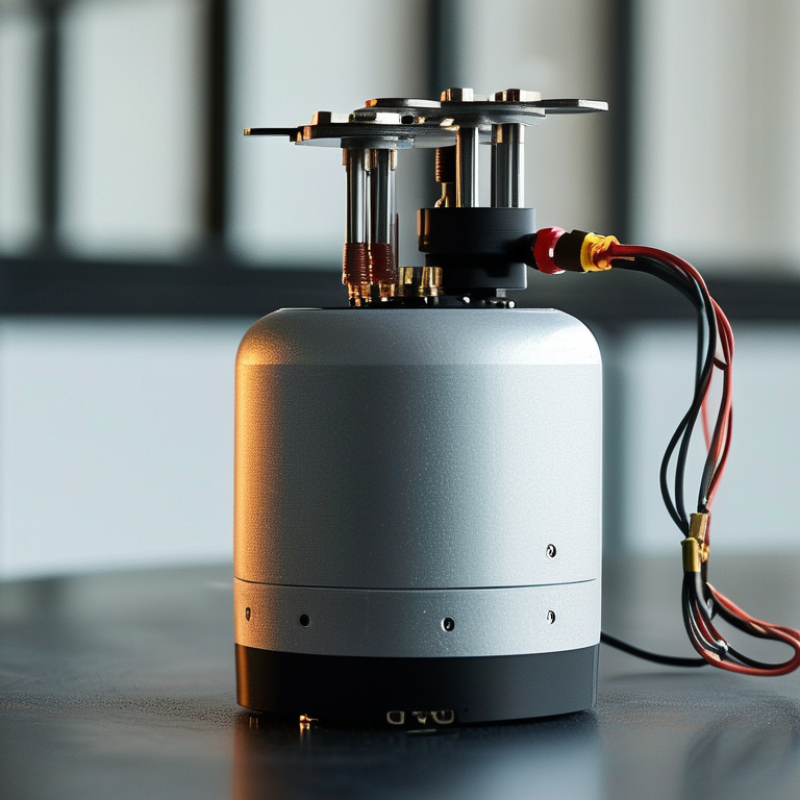
DC micro vibration motors are compact and versatile components widely used in various applications. These motors function by converting electrical energy into mechanical vibrations. They are commonly found in mobile devices, wearables, and gaming controllers. The small size allows for easy integration into tight spaces, making them ideal for modern electronic design.
Choosing the right motor can be challenging. Consider the required vibration intensity and frequency. Different applications demand different parameters for optimal performance. Be mindful of the power supply as well. Some motors may require specific voltage levels.
Tips: Always review the specifications carefully before purchasing. Understanding the load and space constraints of your project is crucial. Additionally, consider testing a few samples to evaluate their performance in real-world conditions. This ensures that the selected motor aligns with your project’s needs. Balancing functionality with size and cost can be tricky, but the right approach makes a difference.
This bar chart illustrates the vibration efficiency of different DC micro vibration motors. The values represent their performance in a standardized test setting, showcasing which motors deliver the best results for potential projects.
DC micro vibration motors have emerged as a powerful solution in various projects, emphasizing their versatility and effectiveness. These motors offer several key advantages, making them an attractive choice for engineers and designers. For instance, their compact size allows for easy integration into small devices, occupying minimal space. According to industry data, more than 60% of modern handheld devices rely on vibration motors to enhance user experience.
Another noteworthy advantage is their low power consumption. Research indicates that DC micro vibration motors can operate efficiently on limited energy, which is crucial for battery-powered devices. This efficiency can result in longer life cycles for products. Additionally, the ability to generate distinct vibrations allows for diverse applications, from mobile phones to wearables. The tactile feedback they provide is invaluable for user engagement.
However, it is essential to consider potential limitations. The performance of a DC micro vibration motor can vary based on load conditions. This variability can affect the user experience if not properly calibrated. Understanding these nuances is vital for optimizing device design. Overall, when applied correctly, the advantages of DC micro vibration motors can significantly enhance project outcomes.
DC micro vibration motors serve diverse industries, thanks to their compact size and efficiency. They are commonly found in consumer electronics, medical devices, automotive applications, and many others. A standout feature is their ability to provide tactile feedback. This helps enhance user experiences in smartphones and wearable devices.
In medical devices, these motors can assist in rehabilitation technologies. They ensure that patients receive effective therapy through controlled vibrations. Automotive applications also benefit, using micro motors for alert systems in vehicles. Such motors provide vital feedback for navigation or safety notifications.
Tips for choosing the right DC micro vibration motor include understanding the vibration frequency and amplitude required for your application. Experiment with different motors to see which fits best. Always consider the power supply and size limitations of your design. It’s essential to think about how these motors influence user interaction. Testing with real users can enlighten areas needing improvement.
When selecting a DC micro vibration motor, several factors are critical to your project's success. First, consider the motor's size and weight. A compact design allows for integration into small devices. Research shows that nearly 80% of new consumer electronics demand lightweight components (IEEE, 2021). This trend emphasizes the need for motors that can provide effective performance without adding bulk.
Another essential factor is vibration frequency and amplitude. Depending on your application, you might require specific vibrational outputs. For example, a medical device might need subtle vibrations, while an gaming controller might require stronger feedback. Studies indicate that precise vibration parameters can enhance user experience by up to 30% (Journal of Applied Acoustics, 2020). Balancing these specifications is vital but can be a complex task.
Power consumption also plays a significant role in motor selection. Efficient motors can prolong battery life, an essential feature in portable devices. A report found that optimizing motor efficiency could save up to 20% in energy use (Energy Efficiency Report, 2022). This consideration is crucial, especially as consumer demand for sustainable solutions increases. Therefore, assessing these factors carefully can lead to better project outcomes.
| Specification | Value |
|---|---|
| Voltage Range | 1.5V - 6V |
| Diameter | 10mm - 20mm |
| Weight | 2g - 15g |
| Operating Temperature | -20°C to +60°C |
| Vibration Frequency | 100Hz - 200Hz |
| Power Consumption | 0.2W - 1W |
| Applications | Mobile phones, Game controllers, Wearable devices |
DC micro vibration motors have gained prominence in various applications such as smartphones, wearables, and gaming devices. Their compact size and efficient performance make them highly attractive. However, when comparing them to alternatives like piezoelectric actuators or larger DC motors, several factors come into play.
Research shows that DC micro vibration motors typically offer a lower cost and a smaller footprint (Market Research Future, 2021). They can produce a wide range of vibration frequencies, which is essential for creating realistic feedback in devices. In contrast, piezoelectric actuators can be pricier and might require more complex control systems. Their vibrations, while precise, often lack the diversity in frequency ranges that DC motors provide.
Tip: When selecting a motor, consider the application's specific vibration requirements. Sometimes, a higher initial investment in a more versatile motor pays off in the long run.
Another critical aspect to consider is power consumption. DC micro vibration motors generally consume less energy, translating to longer battery life for portable devices. However, they may not perform as effectively in heavy-duty applications. In such cases, larger DC motors might be the better choice, though they come with weight and size disadvantages.
Tip: Always calculate the total energy consumption for your device. It can guide crucial decisions on motor types.
: They are used in mobile devices, wearables, and gaming controllers. They convert electrical energy into mechanical vibrations.
Consider vibration intensity, frequency, and power supply requirements. Review specifications carefully for optimal performance.
A compact size allows easy integration into small devices. Lightweight components are crucial for modern electronics.
Different applications need specific vibrational outputs. Precise parameters can enhance user experience significantly.
Efficient motors prolong battery life. Optimizing efficiency can save energy and meet consumer sustainability demands.
Performance varies based on load conditions. Calibration is essential; otherwise, it may affect user experience negatively.
DC Micro Vibration Motors are compact devices that generate vibrations through direct current, making them ideal for a variety of applications. These motors offer key advantages, including their small size, low power consumption, and ability to provide precise feedback, which enhances user experience in many electronic devices. Their versatility allows them to be used in industries ranging from consumer electronics to medical devices, where tactile feedback and alerts are essential.
When selecting a DC Micro Vibration Motor, it is important to consider factors such as the motor's size, voltage, vibration frequency, and endurance. Additionally, a comparative analysis with alternative mechanisms reveals that DC Micro Vibration Motors often provide a more efficient and cost-effective solution for projects requiring vibrational feedback. Overall, integrating these motors into your next project can significantly enhance functionality and user interaction.

KINOV Motor